Why Do I Snore? What Snoring and Mouth Breathing Can Tell You
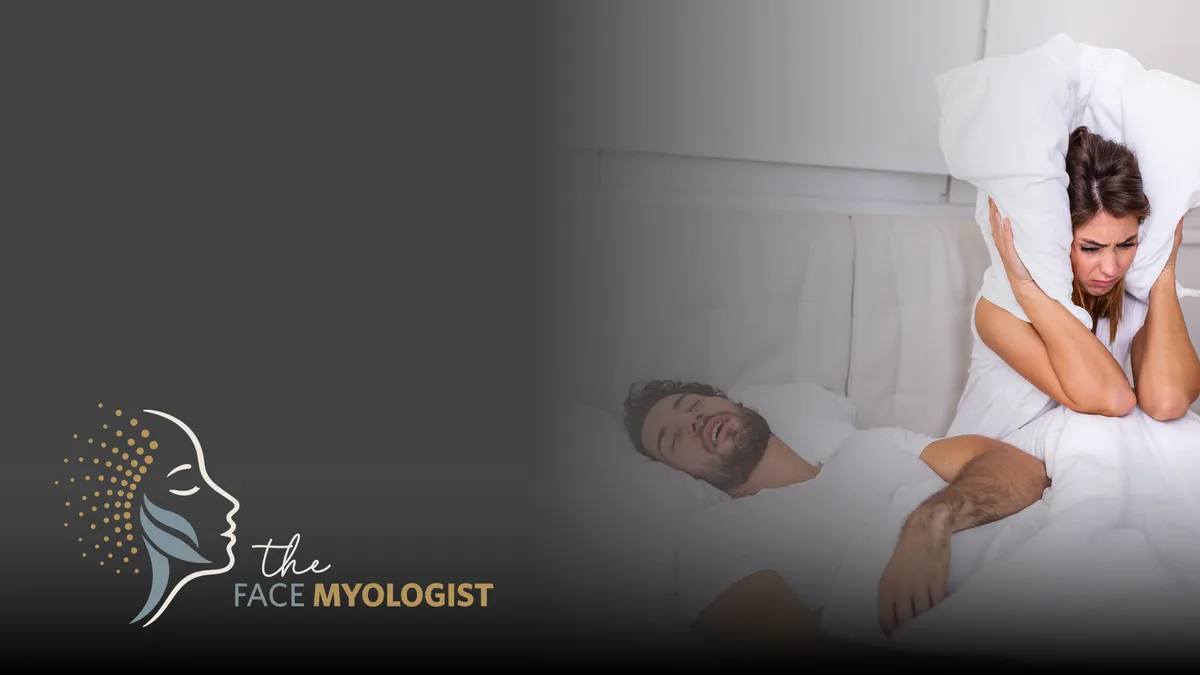
If you snore, wake up with a dry mouth, or feel exhausted even after a full night in bed, your breathing may be trying to tell you something. Snoring is easy to brush off as an annoying habit, and many people assume it's something they simply have to live with, especially after having children, going through hormonal changes, or getting older. But snoring isn't always just snoring. The way you breathe while you sleep offers real clues about how well your airway is working, and for women who are constantly tired, waking up with headaches, clenching their teeth, or struggling with brain fog, it may be an important piece of the puzzle.
What causes snoring?
Snoring happens when airflow through the nose and throat becomes restricted during sleep. As air moves through a narrowed airway, the surrounding tissues can vibrate, and that vibration is the sound you (or your partner) hear. That narrowing can have many causes, and often more than one is at play:
Sleeping with your mouth open, or relying on mouth breathing in general
Chronic nasal congestion
A low resting tongue posture
Weakness or poor coordination in the muscles of the mouth and face
Jaw or facial structure, or enlarged tissues in the airway
Sleeping position, weight changes, alcohol, or certain medications
Sleep-disordered breathing or obstructive sleep apnea
Because the causes vary so much, simply trying to stop the snoring may not address what's behind it. The more useful question is why you're snoring in the first place.
How mouth breathing and snoring are connected
Ideally, you breathe comfortably through your nose, day and night. Your nose warms, humidifies, and filters the air you breathe, and your nasal passages also produce nitric oxide, which plays a role in healthy respiratory function. When nasal breathing is difficult, your body compensates by opening your mouth, and over time that can become a habit rather than something you only do when you're congested.
During sleep, an open mouth can change where your tongue and jaw rest, which may make the airway more prone to narrowing and vibration. One pattern often feeds the next: mouth breathing encourages an open-mouth posture, that shifts the position of the tongue, the airway changes, and snoring or disrupted sleep can follow. The exact chain looks different for everyone, which is why an individualized assessment matters.
Signs your breathing may be affecting your sleep
Snoring is rarely the only clue. You may also wake up with a dry mouth and reach for water first thing, feel tired after seven or eight hours in bed, or wake up with headaches. Some people clench or grind their teeth at night and wake with a sore jaw or facial tension, while others wake repeatedly or never feel like they reach deep, restful sleep. Ongoing nasal congestion deserves attention too, because constantly breathing through your mouth isn't something you have to accept as normal. During the day, it can all show up as fatigue, brain fog, irritability, or trouble concentrating, even when you feel like you're doing everything right. If several of these sound familiar, our post on 7 signs your sleep problem may actually be a breathing problem walks through each one in more detail.
Why women shouldn't ignore snoring
Women often experience sleep-disordered breathing differently than the stereotype of someone snoring loudly all night. The signs can be quieter: fatigue, insomnia-like symptoms, morning headaches, anxiety or irritability, restless sleep, waking often, jaw tension, or brain fog. Because these symptoms don't match the picture most people have in mind, sleep and breathing concerns in women can go unrecognized for a long time. If you're consistently exhausted and your sleep doesn't feel restorative, it's worth looking past how many hours you're sleeping and asking how well you're breathing while you sleep.
A word about mouth taping
You've probably seen mouth taping all over social media, and the idea is simple enough: keep your lips together at night so you breathe through your nose. But it isn't right for everyone. If you have significant nasal obstruction, trouble breathing through your nose, suspected sleep apnea, or another airway concern, taping your mouth closed may mask the problem rather than solve it. Before trying it, it's worth understanding why you're breathing through your mouth in the first place, because the goal is comfortable nasal breathing, not simply forcing your mouth shut.
Where myofunctional therapy comes in
Orofacial myofunctional therapy focuses on the muscles and functions of the mouth, face, and jaw. Through targeted exercises and habit-building strategies, it works on things like tongue resting posture, lip seal, nasal breathing habits, swallowing patterns, and the coordination of the oral and facial muscles. The goal isn't just to hand you a set of exercises, but to retrain the muscles involved in breathing, swallowing, chewing, and resting posture so healthier patterns start to feel natural.
Myofunctional therapy isn't a substitute for medical evaluation when sleep apnea or another medical condition is suspected. It works best as one part of a collaborative approach, and depending on your needs, that team might include your physician, dentist, sleep specialist, or ENT alongside your myofunctional therapist.
When to get evaluated
Consider talking with a qualified healthcare professional if you snore regularly, wake up gasping or choking, or have been told you pause in your breathing at night. The same goes for waking up with a very dry mouth, frequent morning headaches, clenching or grinding, waking often through the night, trouble breathing through your nose, or exhaustion that doesn't improve with enough sleep. If sleep apnea is suspected, your provider may recommend a sleep study.
Your snoring may be a symptom, not the problem
This is one of the biggest shifts we hope you'll take away. Snoring is your body responding to something happening with your breathing, so instead of asking how to make the snoring stop, try asking what's causing your airway to become restricted while you sleep. That question opens up a much more meaningful conversation about your breathing, oral posture, nasal function, sleep quality, and overall health.
It's easy to normalize being tired when you're juggling work, family, and everything else on your plate, and exhaustion can start to feel like part of everyday life. But constantly feeling tired shouldn't be dismissed as just being a mom or getting older. Your sleep should leave you feeling restored, and sometimes the first step is understanding what your body has been trying to tell you all along.
Ready to learn more?
If you're dealing with snoring, mouth breathing, poor sleep, jaw tension, or daytime fatigue, we'd love to help you find out what's behind it. Book a complimentary consultation and we'll talk through what you're experiencing and whether myofunctional therapy may be a good fit for you. Want to start on your own first? The Exhausted Woman's Sleep Reset Guide walks you through the clues behind poor sleep, including a full section on mouth breathing.
Myofunctional therapy does not claim to cure, fix, or heal sleep apnea, sleep-disordered breathing, or any other medical condition. It is one part of a collaborative care approach, and Rachel can recommend other providers to support your care.